

Starting Yoga Young: A Gentle Foundation for Life

When I first introduced yoga to children, I was struck by how naturally they embraced the practice. Their curiosity, openness, and willingness to explore movement and breath reflected a pure and uncomplicated connection to themselves. Starting yoga at a young age offers far more than physical benefit; it plants a seed of awareness and resilience that can gently grow throughout life. This is not something forced or fixed. Rather, it unfolds gradually, becoming a quiet and steady support through the many phases of growing up and beyond.
The Gentle Power of Introducing Yoga Early
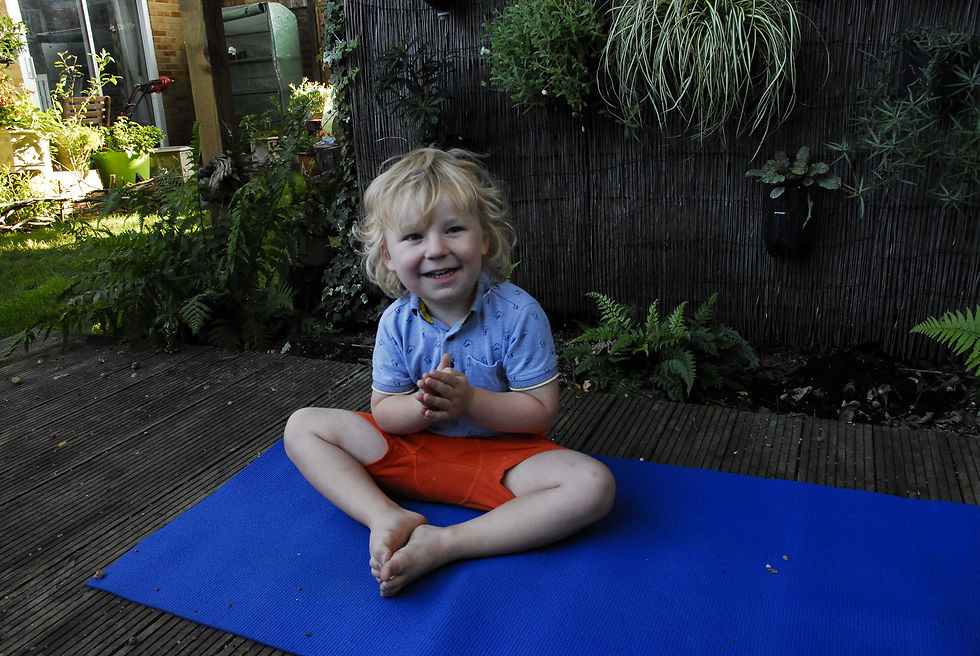
Introducing yoga to children is like offering a space of calm, curiosity, and exploration. It is not about achieving perfect shapes or working towards intensity, but about creating an environment where a child can safely experience their body, breath, and inner world.
Children respond beautifully to the imaginative and experiential nature of practice. Through simple movement, breath, and guided awareness, yoga becomes both accessible and enjoyable. For example, a child might imitate a “stretching dog” in Adho Mukha Śvānāsana (downward-facing dog), lengthening and releasing through the whole body, or stand tall and steady in Tāḍāsana, like a strong palm tree, grounded through the feet and rising with ease.
These playful expressions, alongside gentle introduction to Sanskrit, offer a bridge between imagination and tradition. The practice remains light, yet meaningful.
Over time, this supports the development of coordination, balance, and body awareness, while also nurturing a child’s ability to pause, breathe, and respond rather than react.
Building Emotional Resilience Through Breath and Movement
One of the most valuable aspects of yoga for children is the introduction to breath as a companion.
In the Viniyoga tradition, breath (prāṇa) is central. It is not separate from movement, but intimately linked with it. When children begin to notice and gently guide their breath, they are learning a skill that can support them throughout life.
Simple practices such as “balloon breath” (Prāṇāyāma - dīrgha/sūkṣma ) or “bee breath” (Bhrāmarī) offer accessible ways for children to experience how breath can calm and steady them.
I have seen children who feel restless, overwhelmed, or frustrated begin to find small but meaningful moments of ease through this awareness of breath. Over time, this becomes an inner resource—something they can return to when needed.
Movement, too, becomes a form of expression. Without the need for words, children can release tension, explore strength, and experience a sense of capability within themselves.
Here in Dorset, the natural environment offers a beautiful extension of this practice. Whether beneath the shade of a tree or on soft grass, practising with awareness of breath and surroundings can deepen a child’s sense of connection—to themselves and to the world around them.
Creating a Lifelong Practice That Grows With Your Child
Yoga is not fixed. It evolves.
What begins as playful movement and simple breath awareness can gradually develop into a more refined and personal practice as your child grows. In time, this may include more structured āsana, deeper exploration of breath, and an introduction to aspects of yoga philosophy.
This step-by-step approach reflects the essence of krama—a gradual and appropriate progression.
Children are not rushed. They are met where they are.
Through this, yoga becomes not just something they do, but something they begin to understand as a way of relating to themselves—physically, mentally, and emotionally.
There is also something very valuable in practising together. When parents or caregivers join, even occasionally, it reinforces a shared experience and quietly models the importance of self-care and attention.
Practical Tips for Introducing Yoga to Children
Beginning does not need to be complicated. A simple, thoughtful approach is often the most effective.
Keep practice short and appropriate 15–20 minutes is often enough for younger children, gradually increasing over time.
Use imagination and story This allows children to engage naturally, without pressure.
Create a calm and welcoming space Free from distraction, where your child feels at ease.
Encourage exploration, not performance There is no “perfect” posture—only experience.
Introduce breath gently Through simple, relatable practices.
Be consistent, but responsive Follow your child’s energy rather than forcing structure.
Use simple props or sound These can support engagement and sensory awareness.
The intention is always the same: to create a space where your child feels safe to explore, experience, and return.
Embracing Yoga as Connection and Community in Dorset
Yoga is both personal and shared.
Within Dorset, there is a growing openness to practices that are both authentic and accessible. At KM-Yoga, the intention is to offer a space that honours the tradition of yoga, whilst meeting the needs of modern life.
For children, being part of a class or group can foster a sense of belonging. For parents and caregivers, it offers connection, support, and shared understanding.
Whether practised in a studio, at school or outdoors, yoga becomes a way of connecting—not only to oneself, but to others.
A Gentle Invitation to Begin
Starting yoga young is a gentle invitation to a lifelong journey of self-discovery and well-being. It is a practice that honours the whole child - body, breath, and mind - and offers tools to navigate life’s challenges with grace. Whether you are a parent, caregiver, or educator, embracing children’s yoga can open doors to deeper connection and calm.
I invite you to explore this path with patience and kindness. Let the practice grow naturally, like a tree with deep roots and reaching branches. In time, you may find that the simple act of breathing and moving together becomes a cherished support, a quiet strength that carries through every stage of life.
For more information on authentic and holistic yoga experiences in Dorset, visit KM-Yoga. Together, we can build a community where yoga supports every body and every breath.
Thank you for joining me on this reflection about children’s yoga. Together, we can support a space where each child is met with care, curiosity, and respect.
Namaste 🙏🏻


Comments